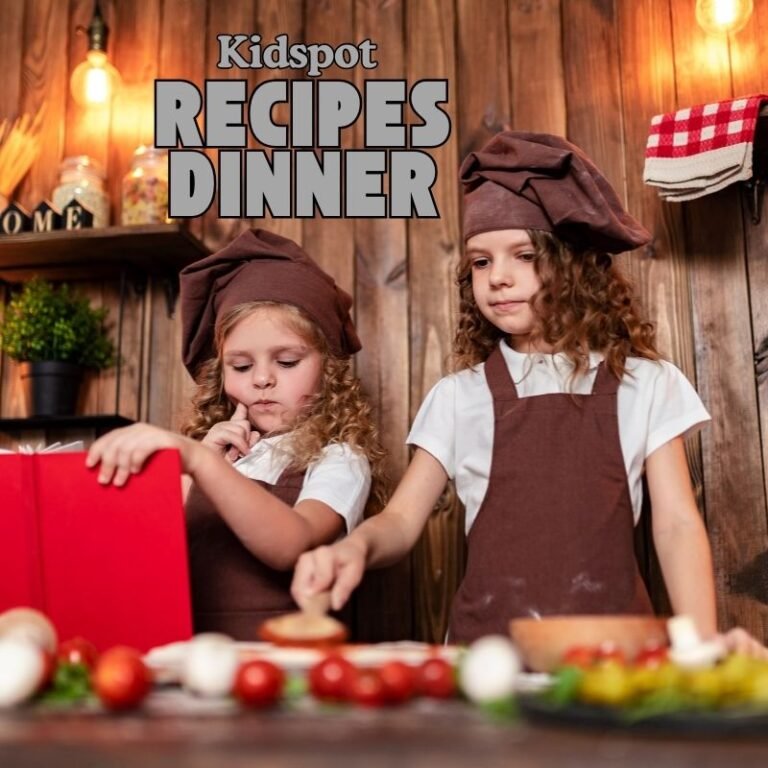
Assist small food gatherers – Special for Christmas
Special Tips for Parents of Picky Eaters
Assist small food gatherers – Getting children to try and enjoy a variety of foods can be challenging, especially when it comes to nutritious options such as fruits and vegetables. Many parents struggle with picky eating, but developing healthy eating habits takes time, patience, and a positive approach. Here are some simple and effective tips to encourage your child to explore new foods and enjoy a more balanced diet.
Offer Vegetables First
Try serving vegetables at the beginning of mealtime, when your child is hungry and more willing to try something new. Start with small, manageable portions rather than filling the plate. Even if your child eats only a few bites, it is a positive step toward developing healthier eating habits. Afterward, offer other foods you know your child enjoys.
Be a Positive Role Model
Children often learn by watching their parents. Show your little one that trying different foods can be fun and enjoyable. Eat a variety of fruits, vegetables, and healthy meals together, and let your child see your excitement when discovering new flavors. When children see their parents enjoying different foods, they may become more curious and willing to try them too.
Keep Offering New Foods Without Giving Up
Don’t be discouraged if your child refuses a particular food the first time. Children often need several opportunities to become familiar with a new taste, smell, or texture before accepting it. Continue offering small portions without pressure or forcing them to eat.
A food your child dislikes today may become a favorite in a few weeks or months. Patience and consistency are essential when helping children overcome picky eating habits.
Read also – Easy Christmas Cookies Recipes for the Whole Family
Let Your Child Explore Food Independently – Assist small food gatherers
As babies grow into older infants and toddlers, gradually encourage them to become more independent during mealtimes. Instead of relying entirely on spoon-feeding, offer age-appropriate finger foods that they can safely pick up, touch, explore, and eat on their own.
Allowing children to experience different food textures, shapes, and flavors helps them develop confidence and independence at the table. Always choose foods appropriate for your child’s developmental stage, supervise meals closely, and make sure food is prepared safely to reduce choking risks.
Giving children more opportunities to explore food at their own pace can help build a positive relationship with eating and encourage healthier eating habits as they grow.
Read also – Math Playground – Excellent Games for Kids
Assist Small Food Gatherers: Simple Ways to Make Mealtimes Fun and Healthy
Helping children develop healthy eating habits can sometimes feel like a difficult task, especially when dealing with picky eaters. Many parents struggle to encourage their little ones to try vegetables, fruits, and other nutritious foods. Some children refuse unfamiliar meals, while others prefer eating only a few favorite foods.
However, developing healthy eating habits does not have to involve arguments, pressure, or stressful mealtimes. With patience, creativity, and a positive attitude, parents can help children become more comfortable exploring different foods.
The goal is not to make children eat everything on their plates but to introduce them to a variety of nutritious foods and help them develop a positive relationship with eating.
Here are some practical and enjoyable ways to assist small food gatherers and make everyday mealtimes a happier experience for the entire family.

Make Eating Enjoyable – Assist small food gatherers
One of the easiest ways to encourage children to eat healthier foods is to make mealtimes entertaining. Young children are naturally curious, and presenting food in an interesting way can make unfamiliar ingredients seem much more appealing.
For example, you can create funny faces using cucumber slices, cherry tomatoes, carrots, and other colorful vegetables. Arrange the ingredients into smiling faces, animals, flowers, or simple shapes. Even children who usually refuse vegetables may become interested when their meals look playful and attractive.
Another fun idea is to organize a little vegetable crunching game. When eating fresh, age-appropriate vegetables, parents and children can playfully compare the sounds they make while chewing. Keep the activity lighthearted and avoid turning it into a competition about how much food someone eats.
You can also give your child a chance to decorate their own plate. Offer a few different vegetables, fruits, or other healthy ingredients and let them choose how to arrange them.
Here are a few creative ideas:
- Make colorful vegetable faces using cucumber, tomatoes, and carrots.
- Arrange fruit pieces into rainbows or funny animal shapes.
- Use small cookie cutters to create interesting shapes from suitable foods.
- Give children colorful plates and child-friendly utensils.
- Let them choose between two healthy snack options.
Remember that children do not need elaborate meals to become interested in food. Sometimes, a simple smiley face made from vegetables is enough to encourage curiosity.
Make a Call for Help: Let Friends and Family Join In
Children often become more interested in food when they see other children enjoying the same meals. Eating together with friends, cousins, or siblings can create a relaxed atmosphere and encourage little ones to explore unfamiliar foods.
Consider organizing a healthy lunch with family members or inviting a few of your child’s friends for a picnic. Prepare a variety of colorful and nutritious dishes, such as fruit slices, vegetable sticks, small sandwiches, and other age-appropriate snacks.
You can spread a picnic blanket on the floor or enjoy the meal outdoors. Allow the children to participate in choosing and arranging the food. They can help wash vegetables, place fruit pieces on a plate, or prepare simple sandwiches with adult supervision.
Seeing other children try different foods may inspire your little one to do the same. Children frequently learn by observing their surroundings, and sharing meals provides an excellent opportunity to develop positive eating habits.
You can also introduce a family food day once a week. Each family member can suggest one healthy ingredient to include in the meal. This makes children feel involved and gives them an opportunity to discover new flavors.
However, avoid comparing children or praising one child for eating more than another. Every child develops at a different pace, and the purpose of shared meals is to make eating enjoyable rather than competitive.
Make No Drama Out of Eating – Assist small food gatherers
One of the most important rules when dealing with picky eaters is to remain calm. If your child refuses vegetables or leaves food on the plate, try not to react with frustration, disappointment, or anger.
Children quickly notice their parents’ emotions. When mealtimes become stressful, they may associate certain foods with unpleasant experiences. In some cases, refusing food can also become a way for children to express independence or gain control over a situation.
Instead of arguing, begging, or insisting that your child finish everything, maintain a relaxed attitude.
Offer nutritious meals, encourage your child to explore different foods, and allow them to decide how much they want to eat from the options provided.
Here are some helpful ways to avoid mealtime battles:
- Never force your child to eat a particular food.
- Avoid using dessert as a reward for finishing vegetables.
- Do not threaten or punish children for refusing meals.
- Keep mealtimes relaxed and pleasant.
- Offer small portions and allow additional servings if requested.
- Praise curiosity and willingness to explore new foods rather than the amount eaten.
Remember that your responsibility as a parent is to provide balanced meals and a comfortable eating environment. Your child can gradually learn to recognize hunger and fullness.
A peaceful mealtime is much more beneficial than a perfectly empty plate.
Read also – Easy Breakfast Recipes for the Whole Family
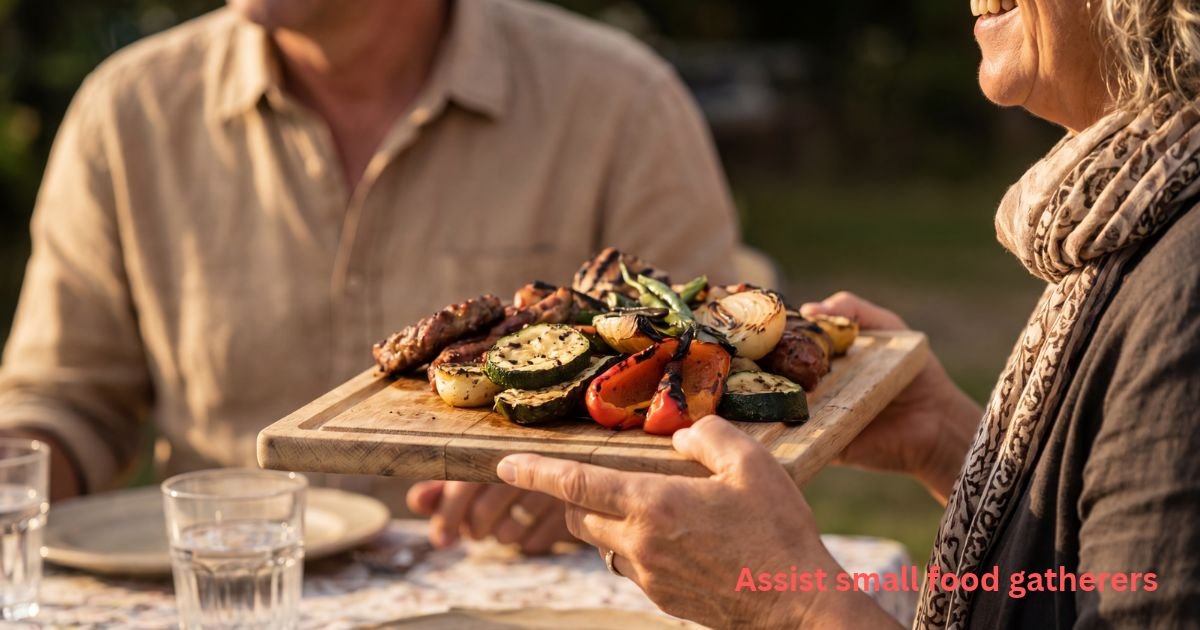
Encourage Children to Participate in Meal Preparation
Another effective way to assist small food gatherers is to involve them in preparing meals. Children are often more interested in tasting something when they have helped make it.
Depending on their age and abilities, little ones can participate in simple kitchen activities. They can wash fruits and vegetables, mix ingredients, arrange food on plates, or choose which vegetables to include in a salad.
For older toddlers and preschoolers, preparing a simple fruit salad together can be a wonderful activity.
You can also take your child grocery shopping and allow them to select one new fruit or vegetable to try at home. Explain the different colors, shapes, and textures of the foods you buy.
These small activities help children become familiar with healthy ingredients before they even reach the dinner table.
Always supervise children in the kitchen and keep sharp knives, hot surfaces, and other potentially dangerous equipment out of their reach.

Introduce New Foods Gradually
Children who are selective eaters may feel uncomfortable when presented with completely unfamiliar meals. Instead of changing their entire menu overnight, introduce new foods gradually.
For example, if your child enjoys potatoes but refuses carrots, try serving a small amount of cooked carrots alongside their favorite potatoes.
You can also combine familiar ingredients with new flavors without hiding the food or misleading your child about what they are eating.
Remember that seeing, touching, smelling, and tasting a new food are all important steps in becoming familiar with it.
Do not expect immediate results. Some children need repeated, pressure-free opportunities to become comfortable with unfamiliar foods.
If your child refuses something today, simply offer it again another time.
Offer Choices Instead of Giving Orders – Assist small food gatherers
Children naturally want to develop independence as they grow. Giving them small choices during mealtimes can help them feel involved and more willing to participate.
Instead of asking, “Are you going to eat vegetables?” try offering two alternatives.
For example:
- Would you like cucumber or carrots?
- Would you prefer an apple or a banana?
- Would you like your sandwich cut into squares or triangles?
- Would you like to help arrange the fruit on your plate?
These simple questions give children a sense of control without allowing them to decide whether every nutritious food option is available.
Keep the choices manageable. Offering too many alternatives can sometimes overwhelm young children.
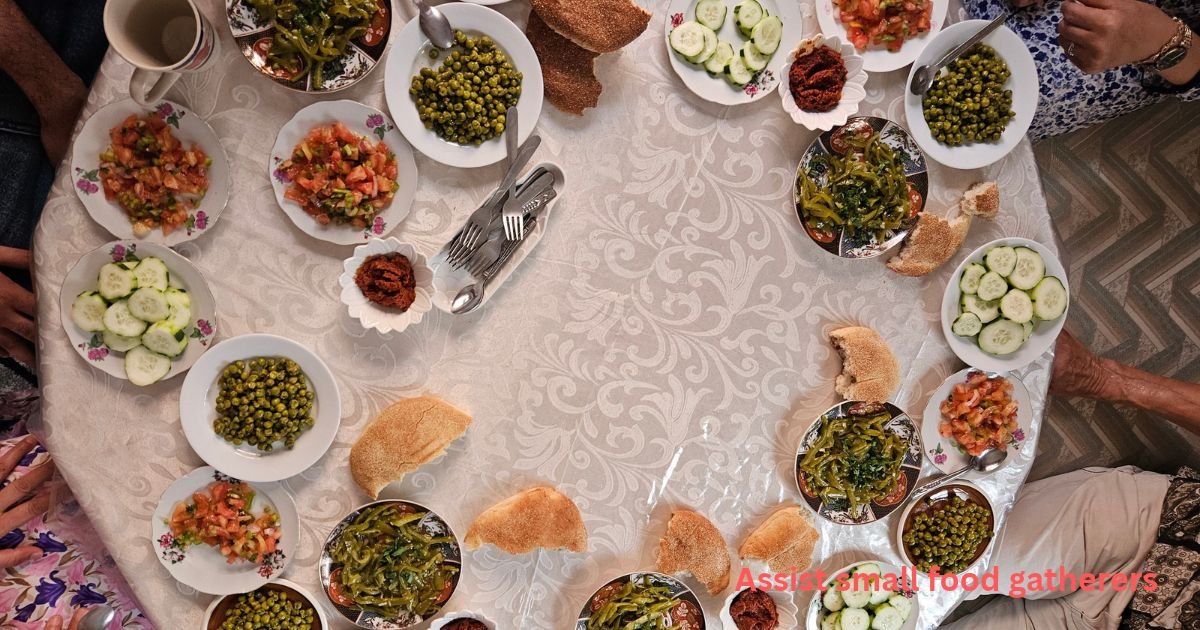
Create a Regular and Comfortable Mealtime Routine
A predictable eating schedule can help children develop healthier eating habits. Try to serve breakfast, lunch, dinner, and planned snacks at approximately the same times each day.
Avoid allowing children to snack continuously throughout the day because they may not feel hungry when regular meals are served.
Whenever possible, sit together as a family and create a pleasant atmosphere without unnecessary distractions.
Turning off the television and putting away phones can help children focus on their meals and recognize their hunger and fullness signals.
Family meals are also an opportunity for parents to demonstrate healthy eating habits. When children regularly see adults enjoying vegetables, fruits, and balanced meals, they become more familiar with these foods.
Make Healthy Snacks Interesting – Assist small food gatherers
Healthy eating does not have to be limited to breakfast, lunch, and dinner. Snacks can also provide opportunities to introduce nutritious ingredients.
Instead of always offering packaged sweets or salty snacks, prepare simple alternatives that children can enjoy.
Some ideas include:
- Fresh fruit cut into age-appropriate pieces.
- Plain yogurt with soft fruit.
- Small sandwiches with nutritious fillings.
- Cooked vegetable pieces prepared safely.
- Homemade oatmeal snacks.
- Smoothies made with fruit and plain yogurt.
Allow children to participate in selecting their snacks. You can also prepare a small plate with two or three different options and let them choose what they would like.
Always consider your child’s age and chewing abilities when preparing snacks. Whole grapes, hard raw vegetables, nuts, popcorn, and other choking hazards require particular care and should not be offered in unsafe forms to young children.
Read also – Kidspot Recipes Dinner: Easy and Delicious Meals for Families
Be Patient and Celebrate Small Achievements – Assist small food gatherers
Developing healthy eating habits is a gradual process. Some children are naturally adventurous eaters, while others need considerably more time and encouragement.
Try to recognize small achievements. Perhaps your child touched a new vegetable, smelled an unfamiliar fruit, or took a tiny bite of something they previously refused.
These are all positive steps.
Avoid making every meal an opportunity to test whether your child will eat something new. Continue serving familiar foods alongside new options so that children feel comfortable and secure.
Most importantly, remember that children have different appetites and preferences. Their eating habits may also change as they grow, become more active, or experience different stages of development.
If your child has a very restricted diet, struggles with weight gain, frequently chokes or gags when eating, or you are concerned about nutritional deficiencies, speak with a pediatrician or qualified healthcare professional.

Conclusion
Helping children develop healthy eating habits requires patience, creativity, and understanding. Picky eating is a common challenge, but parents can make a meaningful difference by creating positive experiences around food.
Simple activities such as making funny vegetable faces, organizing family picnics, preparing meals together, and introducing new ingredients gradually can encourage children to become more curious about what they eat.
Most importantly, avoid turning mealtimes into a battle. Children should feel comfortable exploring different flavors and textures without pressure or punishment.
By offering nutritious choices, setting a positive example, and celebrating small achievements, you can help your little one build a healthier relationship with food.
Remember, the goal is not to raise a child who eats everything immediately. It is to encourage a curious, confident little eater who gradually learns to enjoy a wide variety of nutritious foods.
Frequently Asked Questions
Offer small portions of unfamiliar foods alongside meals your child already enjoys. Be patient, avoid pressure, and allow your child to explore different flavors and textures at their own pace.
Children may reject vegetables because of their taste, smell, texture, or unfamiliar appearance. Repeated, positive exposure and creative food presentation can gradually make vegetables more appealing.
Some children need several opportunities to become familiar with a new food. Continue offering it occasionally without forcing your child to taste or finish it.
Create funny faces with vegetables, arrange colorful fruit plates, prepare simple meals together, and let your toddler choose between healthy food options.
No. Forcing children to finish their meals can create negative associations with food. Offer balanced meals, encourage healthy choices, and allow children to recognize their hunger and fullness signals.